Italo vs Trenitalia: Which Train is Better for Traveling Across Italy in 2026?
Imagine traveling from Rome to Florence in just 90 minutes on one of their fast-moving trains rather than arriving two hours earlier at the airport.
Italy has always been among the top solo travelers' choices, but what makes them so attractive is also their train system.
But here's the question every traveler hits at the booking screen: Italo or Trenitalia? Whether you're eyeing italotreno for its modern cabins or Trenitalia for its wider reach, both run high-speed trains across Italy's most popular routes and both have real advantages.
This guide breaks it all down prices, comfort, routes, and more so you can book with total confidence.
Italy's High-Speed Rail Network: What You Need to Know
Italy's high-speed train network is one of the most traveler-friendly networks in the world. The main corridors connect Rome, Milan, Florence, Venice, Naples, and Turin, all the cities most visitors want to explore.
High-speed trains (called "Alta Velocità") are completely different from regional trains: they're faster, require seat reservations, and use dynamic pricing similar to airlines.
The big advantage of Italian train travel over flying? You skip the airport entirely. Trains arrive and depart from city-center stations, there's no luggage check-in, and boarding takes minutes. For routes under four hours, the train almost always wins on total travel time.
Two operators compete on the high-speed lines: Trenitalia (state-owned) and Italo (private). That competition is genuinely great news for travelers because it keeps fares low and service quality high.
What is Italo Treno?
Italo launched in 2012 as Italy's first fully private high-speed rail operator. Today, italotreno connects Rome, Milan, Florence, Venice, Naples, Turin, and several other key stops with a focused, premium network.
What makes Italo stand out:
- Leather seats in every class: Even standard (Smart) class gets leather upholstery, a clear step above Trenitalia's cloth seats in economy.
- Quiet, modern cabins: Trains feel calmer and less crowded, especially on mid-morning departures.
- Smooth English booking: the italotreno website and app are intuitive in English, with no booking fees when buying direct.
- No luggage restrictions: Bring as many bags as you need, which is a real bonus for city-hopping travelers.
Italo is best suited for comfort-focused travelers booking in advance to grab promotional Smart fares.
What is Trenitalia?
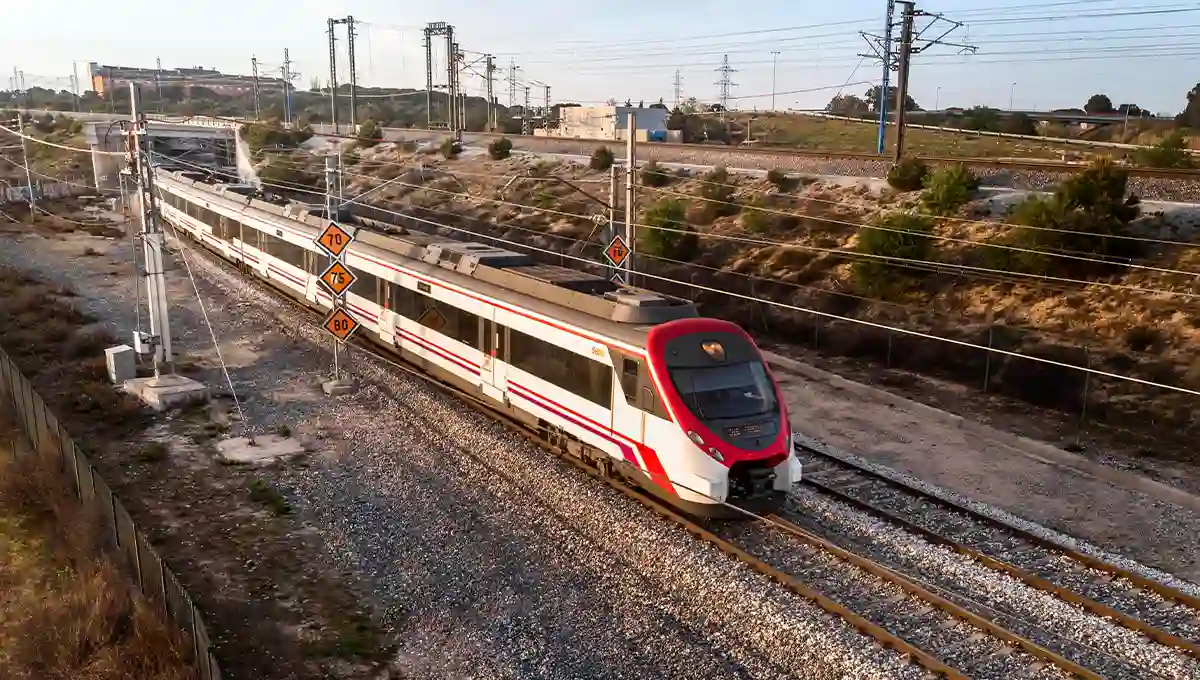
Trenitalia is Italy's national rail operator and backbone of the country's entire network. Its flagship high-speed service, the Trenitalia, is Italy's national rail operator and backbone of the country's entire network. Its flagship high-speed service, the Frecciarossa ("Red Arrow"), tops out at 300 km/h on the main lines.
Its biggest advantage is coverage. Beyond high-speed routes, it runs a vast regional network letting you combine a Rome-to-Florence Frecciarossa with a regional connection to a smaller Tuscan town, all in one booking.
Trenitalia also accepts Eurail passes (plus ~€13 reservation fee per journey), which Italo does not. Traveling on a rail pass? Trenitalia is your only high-speed option. For itineraries that go beyond major tourist cities, Trenitalia's reach is unmatched.
Trenitalia is your only high-speed option. For itineraries that go beyond major tourist cities, Trenitalia's reach is unmatched.
Italo vs Trenitalia: Head-to-Head Comparison
Both are excellent. The difference comes down to your specific trip. Here's a quick summary before we dig into each category:
Go with Italo for major city routes, early booking, and modern comfort. Go with Trenitalia for wider coverage, rail passes, and flexible itineraries.
1. Ticket Prices
Both use dynamic pricing the earlier you book, the better the fare. Realistic advance examples: Rome to Florence from ~€14.90 on Italo; Florence to Venice from ~€18.90; Rome to Milan from ~€19 to €29 on both.
Italo often edges out promotional fares when booked early, but not always compares both before buying. Note: Italo's cheapest tickets are non-refundable, so upgrade tiers if flexibility matters.
2. Comfort & Seating
Italo's leather seats across all classes are a genuine differentiator. Trenitalia's Frecciarossa offers cloth seats in standard but a premium Executive class with restaurant-style seating. Both have power outlets, good legroom, and tray tables.
On longer journeys like Milan to Naples, Italo's Smart class comfort advantage is very noticeable.
3. WiFi & Amenities
Both offer free WiFi, but expect drops in tunnels and rural areas not reliable for important calls. Charging ports are standard on both. Trenitalia's Frecciarossa has an onboard bar car; Italo has vending machines. Pack your own snacks for longer trips either way.
4. Speed & Punctuality
Both the Frecciarossa 1000 and Italo's AGV run at up to 300 km/h journey times are virtually identical on shared lines. Punctuality is similarly matched. Expect occasional 10–15 minute delays during peak summer or holidays on either operator. Build buffer time into connections.
5. Best for Tourists
Italotreno has a slight ease-of-use edge for first-timers: a cleaner English website, intuitive app, no need to know Italian city names. Trenitalia's site defaults to Italian place names (Roma, Firenze), which can confuse new users. Both support mobile tickets and English customer service at major stations.
6. Popular Routes
Both Italo and Trenitalia compete fiercely on the main high-speed corridors linking Milan, Venice, Turin, Bologna, Florence, Rome, and Naples. That competition keeps prices sharper and schedules more frequent than you'd see with a single operator.
|
Route
|
Approx. Journey Time
|
Both Operators?
|
|
Rome → Florence
|
~1.5 hrs
|
Yes
|
|
Rome → Milan
|
~3 hrs
|
Yes
|
|
Florence → Venice
|
~2 hrs
|
Yes
|
|
Naples → Rome
|
~1.2 hrs
|
Yes
|
|
Milan → Naples
|
~4.5 hrs
|
Yes
|
For routes not on the main high-speed lines (Florence to Siena, Rome to Bari, etc.), Trenitalia is your only option.
7. Punctuality
Both the Frecciarossa 1000 and Italo's AGV run at up to 300 km/h journey times are virtually identical on shared lines. Punctuality is similarly matched. Expect occasional 10 to 15 minute delays during peak summer or holidays on either operator. Build buffer time into connections.
8. Best for Tourists
Italotreno has a slight ease-of-use edge for first-timers cleaner English website, intuitive app, no need to know Italian city names. Trenitalia's site defaults to Italian place names (Roma, Firenze), which can confuse new users. Both support mobile tickets and English customer service at major stations.
Best Routes to Book with Italo
Italo performs especially well on these routes:
- Rome to Florence: Frequent departures, competitive Smart fares, comfortable ride. Advance fares from ~€14.90 make this one of the best-value train journeys in Europe.
- Rome to Milan: On this ~3-hour route, Italo's leather Smart class is a genuine upgrade over budget options. Book 4+ weeks ahead for the best promotional fares.
- Naples to Venice: A longer journey where Italo's comfort difference is more noticeable. Great for travelers doing a south-to-north or north-to-south sweep of Italy.
- Milan to Naples: Same logic applies. If you're spending time on this journey, the leather seating and quieter cabin make a difference.
For all of these, book directly at italotreno.it or via the Italo app to avoid any third-party fees.
Travel Planning Guide: Tips to Save on Italian Train Tickets
- Book 4 to 6 weeks ahead the single biggest money-saver on both operators.
- Always compare both and use Omio to check Italo and Trenitalia side by side.
- Travel mid-week Tuesday to Thursday is cheaper and less crowded.
- Go mobile digital tickets skip all queues at the station.
- Don't over-buy class standard is comfortable for journeys under 3 hours.
- Avoid same-day booking last-minute fares can be 3 to 4x the advance price.
- Rethink rail passes with fares from €15, individual tickets often beat pass value for 1–2 week trips.
Final Thoughts
When it comes to Italo vs Trenitalia, there's genuinely no wrong choice; both deliver a fast, comfortable, and reliable ride across Italy's most-loved cities.
If you're hopping between major destinations like Rome, Florence, Milan, or Venice and want modern cabins with leather seats at competitive fares, Italotreno is your best bet. .
If your itinerary stretches beyond the main corridors or you're traveling on a rail pass, Trenitalia's wider network gives you the flexibility you need.
The smartest move? Always comparing both operators before booking a quick 2-minute check can save you real money. Start planning today and let Italy's incredible rail network do the rest.
FAQ’s
-
Which one is better, Trenitalia or Italo?
Italo offers modern comfort and lower fares, while Trenitalia provides broader routes and flexibility for longer Italy train travel itineraries.
-
Is Italo owned by Trenitalia?
No, Italo is a private train company, while Trenitalia is Italy’s government-owned national railway operator serving nationwide routes.
-
Which fast train is better in Italy?
Both Italo and Trenitalia offer excellent high-speed trains, but the better choice depends on your route, budget, and comfort preferences.
-
What is the best train company to travel in Italy?
Italo is ideal for major tourist routes, while Trenitalia works better for regional connections and flexible Italy travel plans.